


Soil affects your foundation choices and performance
The UK has some of the most varied ground conditions in Europe, all crammed into a small land area. Drive an hour in almost any direction from where you are right now, and the soil under your feet will have changed, sometimes drastically.
Each soil type behaves differently under load, holds water differently, and demands a different decision from your foundation design.
We’ll walk through the main UK soil types, what each one means for foundations, and discuss some unique foundation types that make your life easier.
How UK Soils Are Classified
The British Geological Survey and Cranfield University’s National Soil Resources Institute maintain detailed maps of soil types across England, Wales, Scotland and Northern Ireland, breaking the country down into ten major soil groups and hundreds of individual soil series.
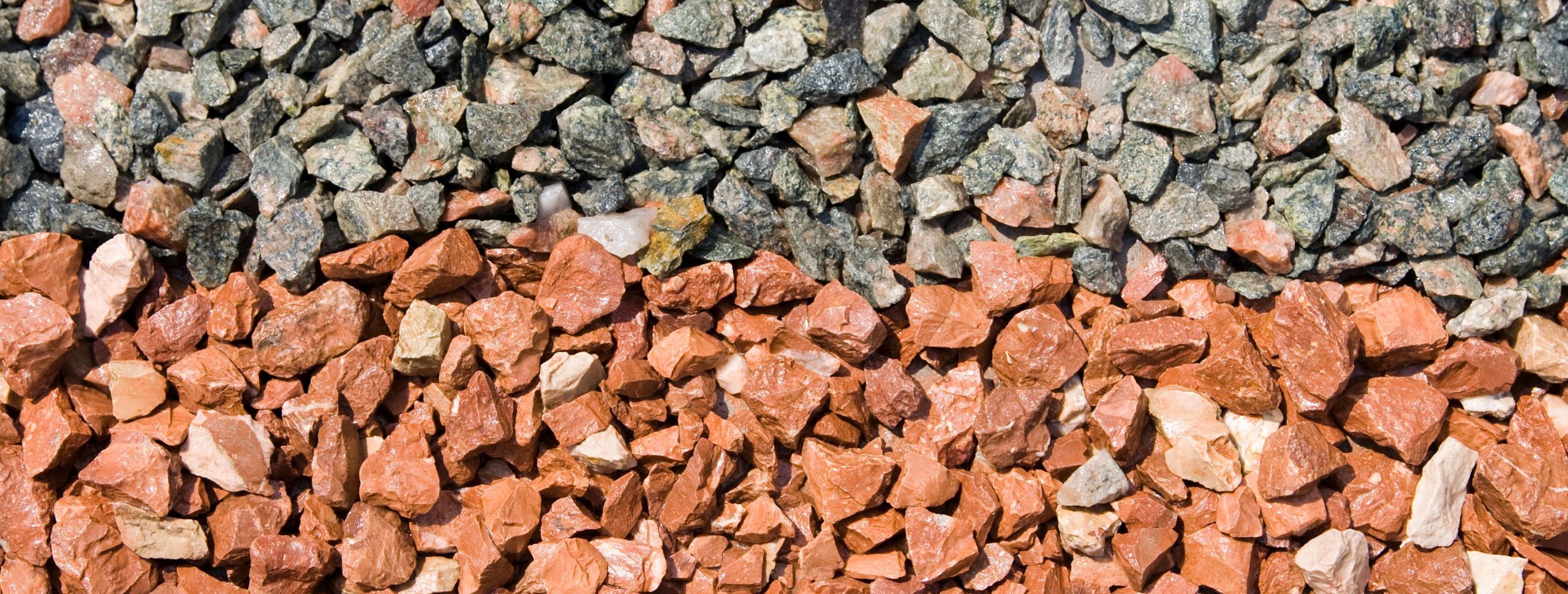
For foundation work, the classifications that matter most are based on particle size and behaviour under load. The main groupings you’ll come across include:
- Clays, which shrink and swell as moisture changes through the seasons
- Silts, which drain slowly and can lose strength when they get wet
- Sands, which drain freely and settle in a fairly predictable way
- Gravels, which bear weight well but can be loose near the surface
- Chalks, strong when sound but often soft or fractured near the top
- Limestones, solid to build off but sometimes broken up or cavernous
- Peats, which hold water like a sponge and compress heavily under load
- Loams, a balanced mix of sand, silt and clay that behaves moderately
- Rock, the strongest bearing of the lot where it sits close to the surface
- Made ground, which behaves however it was dumped
Most UK sites contain a mix of these, layered on top of one another, and the interactions between the layers often matter more than any single soil type on its own. Let’s now discuss the most common ones in detail.
Clay Soils and the Shrink-Swell Problem
Clay is among the most common construction problems in the UK, especially for the unwitting DIY’er who doesn’t realise their soil is clay-rich until they begin to dig down.
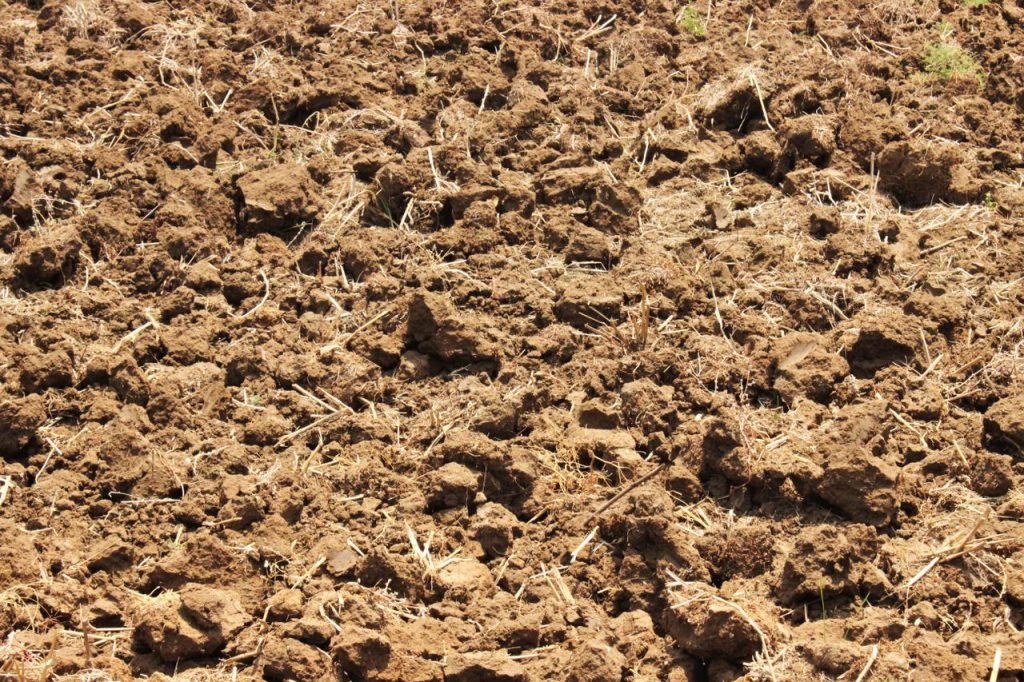
Large parts of the south-east – London, the Home Counties, Essex, parts of the Thames Valley – rest on London Clay, a heavy, plastic clay that swells noticeably when wet and shrinks noticeably when dry. Similar clays run through the Midlands, East Anglia and parts of the north-west, so it’s one of the most common soil types in the country.
How Clay Affects Foundations
Clay soils change volume with moisture content, and that change mostly occurs in the top two or so metres.
A hot, dry summer pulls water out of the clay and the ground drops. A wet winter puts the water back, and the ground rises. Trees make it worse by drawing water out of the soil, which is why so many domestic subsidence claims involve mature trees close to the property.
For traditional concrete foundations, the standard response is to dig deep – down past the “zone of influence” where seasonal moisture changes reach, usually one to three metres depending on tree cover.
That’s expensive, generates a lot of spoil, and still doesn’t remove the risk entirely if drought years become more frequent.
How Ground Screws Handle Clay Ground
Ground screws and helical screw piles are designed to extend past the shrink-swell zone.
A typical residential ground screw extends 1.6 to 2.5 metres into the ground; helical screw piles typically extend much deeper. That puts the load-bearing part of the foundation well below the seasonal moisture zone.
On clay sites, screw foundations also give you options concrete doesn’t. If a building starts to move because a tree has grown, you can re-level the brackets above ground rather than underpin the whole property.
Flexibility over the building’s lifetime matters more on clay than on almost any other soil type.
Dense clay can be hard going for hand tools, mind, which is one of the reasons we’d usually recommend professional installation on heavier clay sites.
Chalk and Limestone Sites
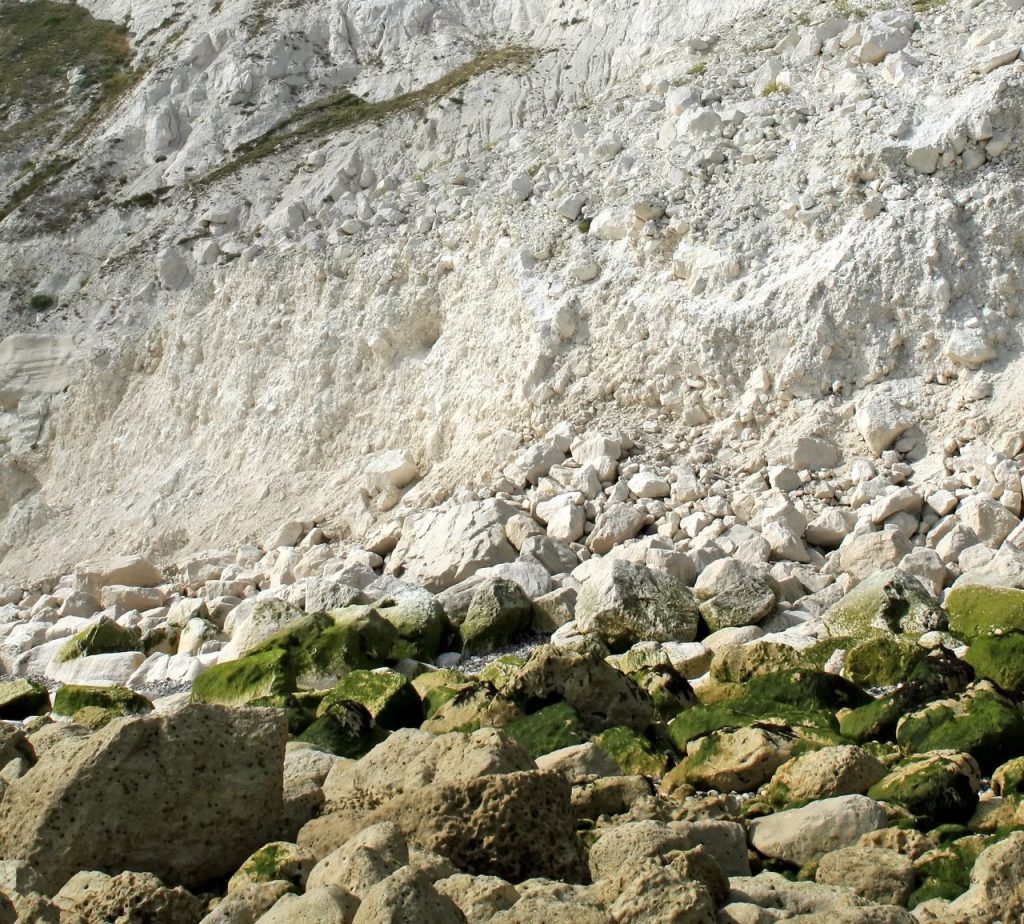
Chalk runs in a band across southern England, from the South Downs up through the Chilterns to Yorkshire. Limestone dominates the Cotswolds, the Peak District, parts of Wales and much of the northern uplands. But it’s not consistent – these areas can feature chalk in one garden and clay in the next.
Solid, well-cemented chalk is one of the best foundation materials going – strong and predictable.
The catch is that chalk near the surface often isn’t solid. Weathered chalk can be soft and crumbly, riddled with cavities where groundwater has dissolved it over the centuries, and frost-shattered chalk breaks up easily under load.
Concrete foundations here usually mean digging down to sound rock, which is fine when it’s shallow and expensive when the weathered layer runs deep. Chalky areas are also flint-dense, a particularly strong rock that’s a pain to excavate.
Ground Screws for Homes and Gardens
For a garden room, extension, deck, or annex on clay, ground screws handle the problem by design. A domestic ground screw goes 1.6 to 2.5 metres deep, placing the load-bearing part below moisture fluctuations and onto stable soil.
If a building starts to move because a tree has grown nearby, you adjust the brackets above ground rather than underpinning the whole thing, and nothing needs to be broken out. Dense clay can be hard going for hand tools, mind, which is one of the reasons we’d often recommend professional installation on heavier clay sites.
Helical Screw Piles for Heavier Builds
For a full house extension, a commercial unit or anything carrying serious load on clay, helical screw piles do the same job at a higher capacity.
They’re driven deeper again with a machine, well past the moisture zone, and the torque readings confirm each bearing’s capacity as it goes in. That gives your engineer measured proof rather than an assumption, which matters on any build that needs Building Control sign-off.
Sand and Gravel
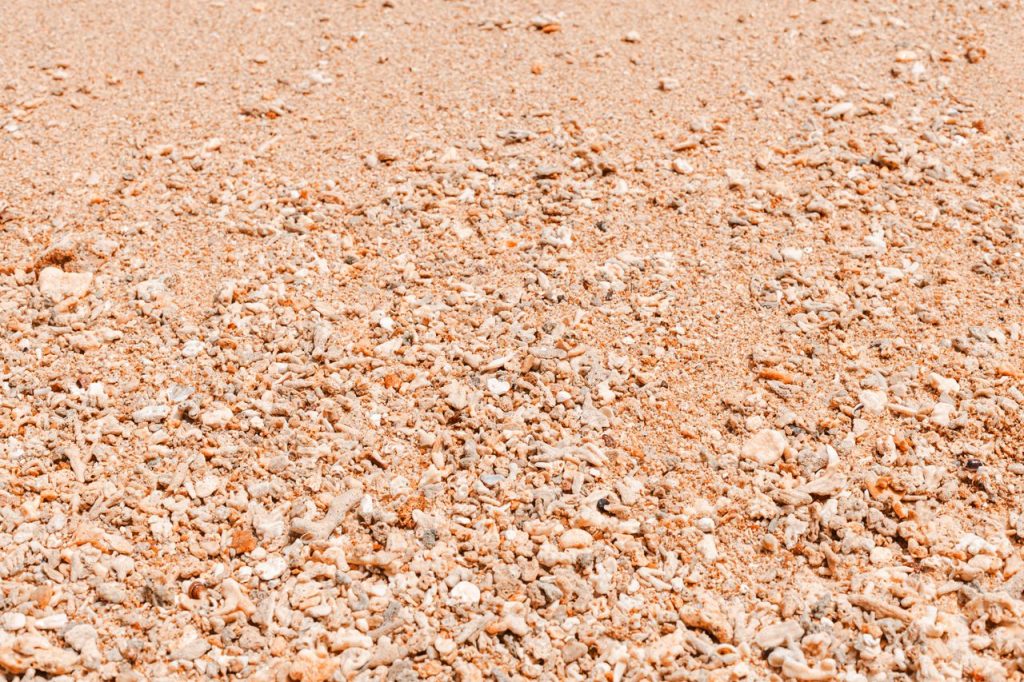
Sandy and gravelly ground covers big stretches of the UK – the sands around London, the glacial gravels of East Anglia, the Midlands and parts of Scotland.
These soils usually behave nicely under a building. They drain freely, they don’t swell or shrink, and well-compacted sand or gravel bears weight from close to the surface. Concrete foundations sit happily on top, and settlement is usually minor.
Even so, screw foundations often make more sense on sandy sites for other practical reasons. Loose sand is a pain to dig cleanly – trenches cave in, the sides need shoring, and you have to time the pour so dry material doesn’t get into the concrete. Ground screws and helical piles skip all of that. They pass through the loose surface layer and pick up their bearing on the firmer sand or gravel beneath, with no digging and no trench collapse.
On sandy ground, we regularly install screw foundations for garden rooms, decking, and holiday lodges in a fraction of the time it would take to pour concrete.
Peat and Other Soft Ground
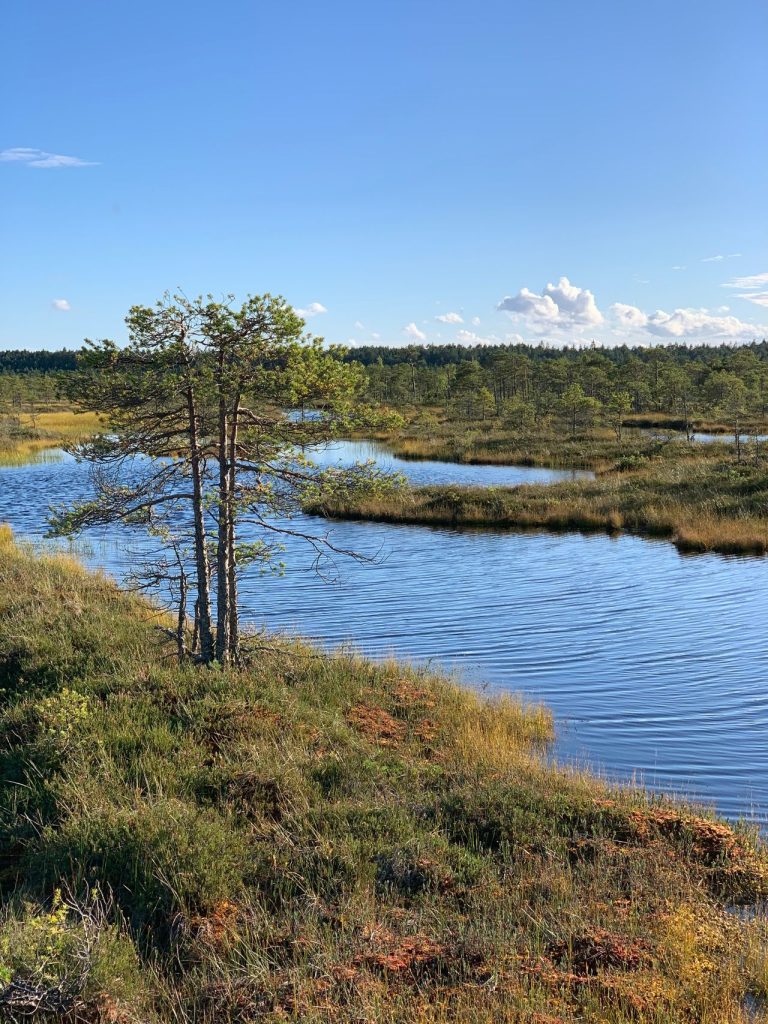
Peat covers large parts of upland Britain – the Pennines, the Highlands, Snowdonia – with pockets of lowland peat in the Fens, the Somerset Levels and other old wetlands.
Peat is mostly water and rotted plant matter. It compresses heavily under load and holds water like a sponge, and building on it with concrete usually means digging right through to firmer ground below.
This is ground where helical screw piles genuinely come into their own. They thread through the peat to the solid soil or rock beneath, with the torque readings confirming when each one has reached the required stability.
It’s one of the situations where screw foundations offer the greatest savings compared to concrete, simply because you avoid digging out and disposing of a large volume of waterlogged ground.
On peat and other soft sites, we regularly install foundations for glamping pods, boardwalks and access platforms where concrete wouldn’t be workable at all.
Made Ground and Brownfield Sites
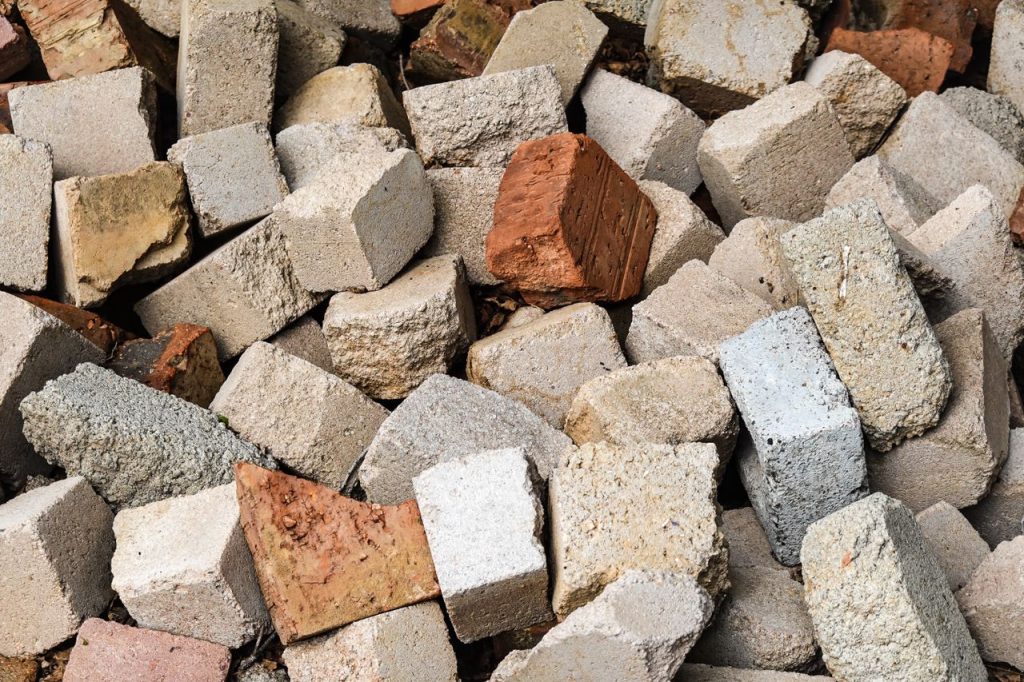
Made ground refers to ground composed of old foundations, demolition rubble, industrial fill, backfilled quarries, and former landfills. It covers much of urban Britain and plenty of suburban plots, too.
The problem with made ground is that you rarely know what’s in it until you dig. Any of the following can turn up in the first metre, and any of it can make a concrete foundation unreliable or eye-wateringly expensive:
- Broken concrete and demolition rubble
- Buried timber, glass and general fill
- Chemical contamination from former industrial use
- Voids and soft spots that won’t bear load
- Old tanks, drains and services nobody recorded
For commercial projects, helical screw piles work well because they extend through the disturbed layer to the bearing material below, with minimal digging and very little spoil.
For developers on old industrial land, that often turns a nervous concrete quote into a predictable one when you choose screw piles, with comprehensive load testing offering confidence.
What Ground Type Is My Site or Garden?
Before you install any foundation, you of course want to know what you’re dealing with. Here are a few ways to find out:
- The British Geological Survey online soil map, free to use
- Cranfield’s Soilscapes viewer for England and Wales
- Old Ordnance Survey maps, which show former use and made ground
- A ground investigation report from an engineer
- A site-specific load test
For a domestic project, the BGS map usually offers good insights. For anything commercial or civil, you’ll want a proper ground survey.
Matching the Foundation to the Ground
The soil tells you how deep to go and what you’re anchoring into. Which product you reach for depends on the job itself, not the ground.
- Ground screws cover a wide range of work – garden rooms, extensions, decking and fencing, modular buildings, solar arrays, signage, sports facilities, and plenty of light commercial jobs.
- Helical screw piles are the heavier, engineered option, built for larger commercial and civil work, higher loads, and anything that needs an engineer’s sign-off backed by torque data. Which one suits you comes down to your loads, your access and your programme.
We’ve spent many years installing screw foundations in just about every type of ground the UK has to offer. If you’re not sure what’s under your site or which product fits what you’re building, contact us, and we’ll be happy to discuss.